

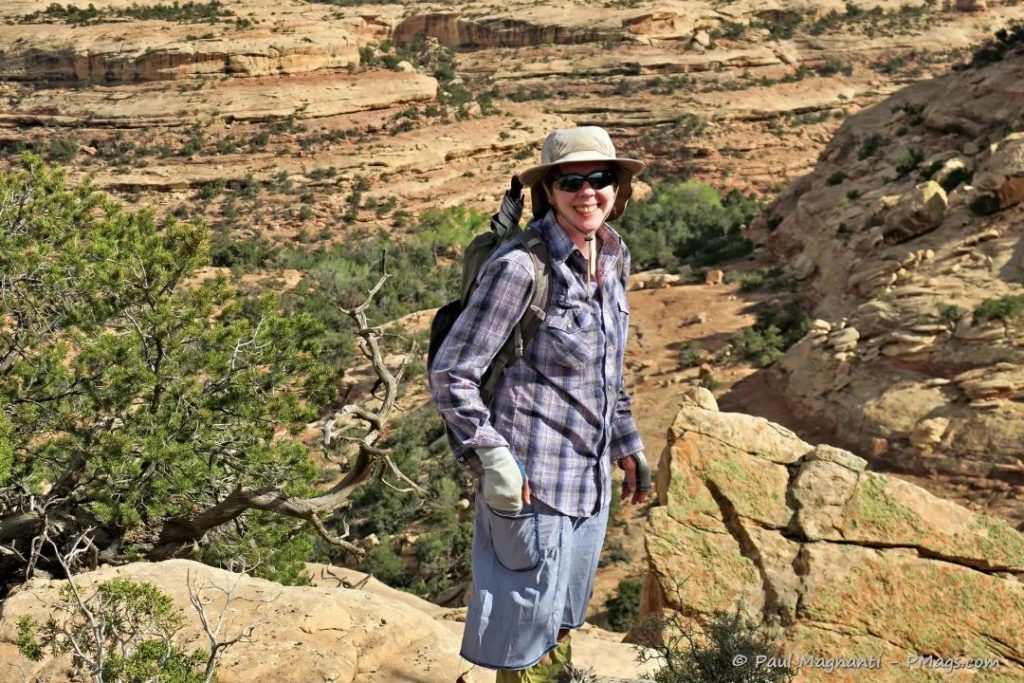
At the end of the Northern New Mexico Loop in 2019.
Since moving out West in 1999, I have discovered the importance of protection from the harsh UV radiation found at elevation.
Due to my gene pool, I tan very well (Thanks to distant ancestors who invaded southern Italy! 🙂 ). However, NO ONE truly tans well at 10,000+ feet.
The sun destroys the skin at best and can cause cancer at worst. Not good.
The solutions are simple: Slather yourself with sunscreen or wear the appropriate clothing.
I’m not too fond of sunscreen for extended trips except for my nose and cheekbones. On backpacking trips, the sunscreen clogs the pores, collects dirt, gives an “unclean” feeling, runs into your eyes, is extra to pack, and is just plain messy.
So my choice for sun protection is clothing — a wide-brimmed hat to cover the face and a long-sleeved shirt. The rolled-down sleeves cover the arms, and the collar protects the neck paired with the hat.
In non-humid climates, I tend to hike in long sleeves; they keep me cooler by creating a microclimate. Naturally, long sleeves help with bug protection too. A button-down shirt lets you roll up the sleeves as needed and unbutton the shirt for added ventilation.
Now, you can buy plenty of long-sleeved shirts made for hiking, travel, and sun protection. They are sharp-looking, high-quality, and make you look like you stepped out of a gear catalog or a safari. They can be $65+ each as well.
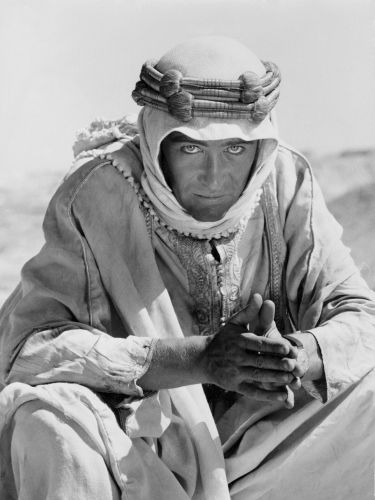
Really stylish sun protection!
But on any extended backpacking trip, you are beating the crap out of your shirts. They get perma-stains from the combined forces of the pack straps, sweat, and dirt.
A $65 shirt may still be usable after 4+ months of backpacking, but it will look like, to use a technical term, crap.
Being a self-proclaimed dirt bagger with a practical bent, I can’t see why I’d want to spend $65+ on a shirt that will look like a thrift-store shirt by the end of the trip.
So what to do? Buy the hiking shirt from the thrift store or a discount store!
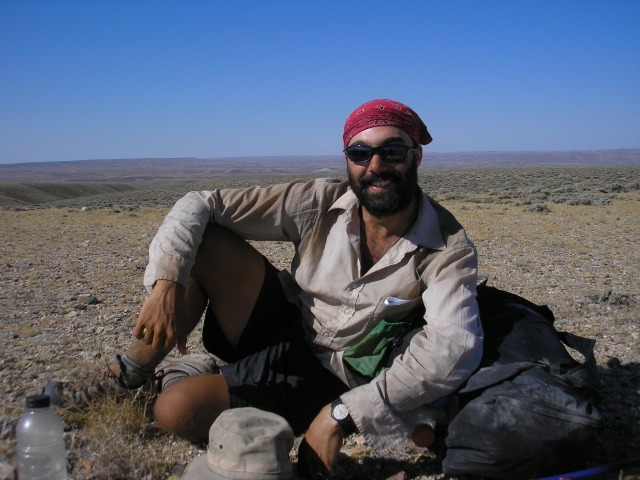
If I attached a gold necklace to my compass, this shirt would rock!
My shirts of choice are the old polycotton-blend dress shirts or Western snap shirts ubiquitous in thrift stores.
For the princely sum of $10, I achieved the desired sun and bug protection. Or I’ll raid my closet for old shirts!
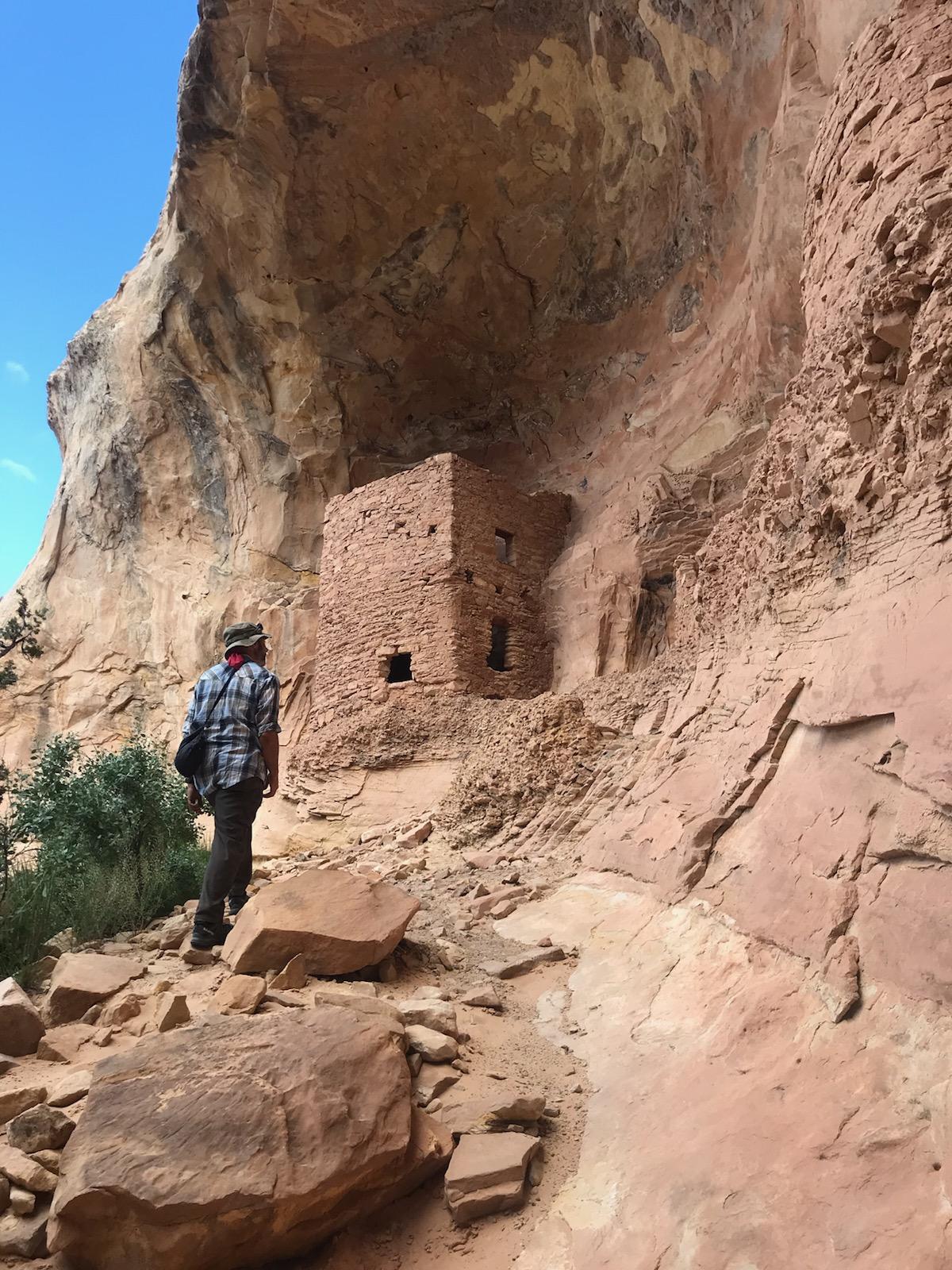
In Comb Ridge. PCO Joan West.
Yes, there is cotton in these shirts, but the thin fabric does dry quickly. If it gets cold and rainy, I change into a thermal anyway, regardless of the shirt I wear.
I also find these shirts very comfortable, breathe better, and feel less clammy than a “technical” shirt or a nylon button-down for three-season use. I’ve tried the so-called hiking or traveling shirts and prefer the cotton-blend ones. And many “real” hiking shirts make me look like a reject from an Indiana Jones cosplay convention.
What about longevity? Not only have these shirts lasted me the length of a thru-hike, but they were also serviceable enough to wear AFTER a thru-hike. The only reason why I discarded the shirts is that there is a fine line between being a dirtbagger and looking homeless. The shirt was structurally sound; it just seemed a little, ah, worn. The shirt only had to go after a while, even by my standards.
Now, there are times when it makes more sense to wear the more expensive shirts. It pays to be more presentable if the trip is more of a cultural journey and less backcountry-oriented—no reason to be a literal Ugly American.

I was guiding in Yosemite with Brian Robinson. The trip participants thought my Wrangler snap-button shirt looked stylish! ) Photo courtesy of Beth K.
If I represent a group or a person or earn pay for my services, perhaps the thrift store shirt is not the best choice.
Otherwise? I’ll buy a thrift store special. For $10, I can beat it up, make it dirty, have it full of sweat, and it will take a lickin’.
As mentioned, I will also recycle old “casual” dress shirts from my closet. These shirts look good enough to wear outside of hiking and meet the critical non-dirt-bagger approval.
And since 2015 or so?
The classic plaid Western snap-style shirts in a 65/35 polycotton blend are ones I’ve gravitated toward in recent years. Even new, I’ve found them for $30 or less in “farm and ranch” type stores or Wally World.
And specifically, here’s a 60/40 polycotton blend for $30. In my experience, the 5% difference does not matter.
UPDATE – I take a deeper dive into why I prefer a Western snap shirt over a hoodie for hot, dry weather in this article.
I’ll put the $75 I saved for more important things. Like a post-trip burger and beer!
Overall summary: A simple shirt that may already be in your closet works well for hiking—practical, durable, inexpensive, and perhaps preferable to a “real” hiking shirt.
EDIT DEC 2019: A very in-depth science-based post validates my experience in detail. Check it out.
But I have to say I’m with Paul on this one: for a measly $20 you can get a good-looking hiking shirt that’s lighter, more breathable, and dries faster (or just as fast) as the Kuhl or Montbell at a quarter of the price. Oh, and it won’t kill you.
EDIT MAY 2022 – I’ve long thought that a shirt used by ranchers in the hot sun all day works well enough for hiking and sun protection. It turns out that the cut, material, breathability , fit, and even the dye help make a shirt that works well.
TL;DR version: Loose-fitting garments with a tighter weave and darker colors generally provide the best sun protection. Tight clothing, especially when stretched or soaked with sweat, can be counterproductive. A UPF rating is useful, but it is only part of the story.
Why? Three real-world factors affect how much UV gets through your clothing:
Fit/stretch. Tight clothing stretches the fabric, pulling the fibers farther apart and allowing more UV to pass through. This is especially true across the shoulders and upper back where a backpack pulls the fabric taut. Counterintuitively, a loose-fitting shirt often provides better protection than a snug one.
Moisture. Sweat or rain can increase UV transmission through many fabrics. Even a high-UPF garment may not perform quite the same once it is wet.
Wear. Like any piece of gear, clothing changes with use. Fabrics that have seen months or years of trail time, washing, and abrasion may not provide the same level of protection they did when new.
According to research, the biggest factors affecting UV protection are:
- Material: Synthetics such as polyester generally absorb more UV radiation, particularly UVB, than pure cotton.
- Weave: A tighter, denser weave blocks more light than a loose one.
- Color: Darker colors generally block more UV than lighter colors, although some fabrics use UV-absorbing treatments that do not noticeably change the color.
The takeaway? Don’t get too hung up on the number on the tag. A UPF rating is a helpful starting point, but it isn’t the whole picture. A shirt does not need a certified UPF rating to provide meaningful sun protection. The UPF label is helpful, but it is not the whole story. Fabric type, weave, color, fit, and real-world conditions all affect how much UV reaches your skin
As a data point, the Craghoppers Women’s Kiwi II is made from a 65/35 polycotton blend and has an UPF rating of 40+. It looks very similar to a Western shirt.
The dyes, the weave, the loose vs. tight fit, and the reinforced shoulders and collar all contribute to increased sun protection.
The underlying principles stay the same whether there is a label or not.
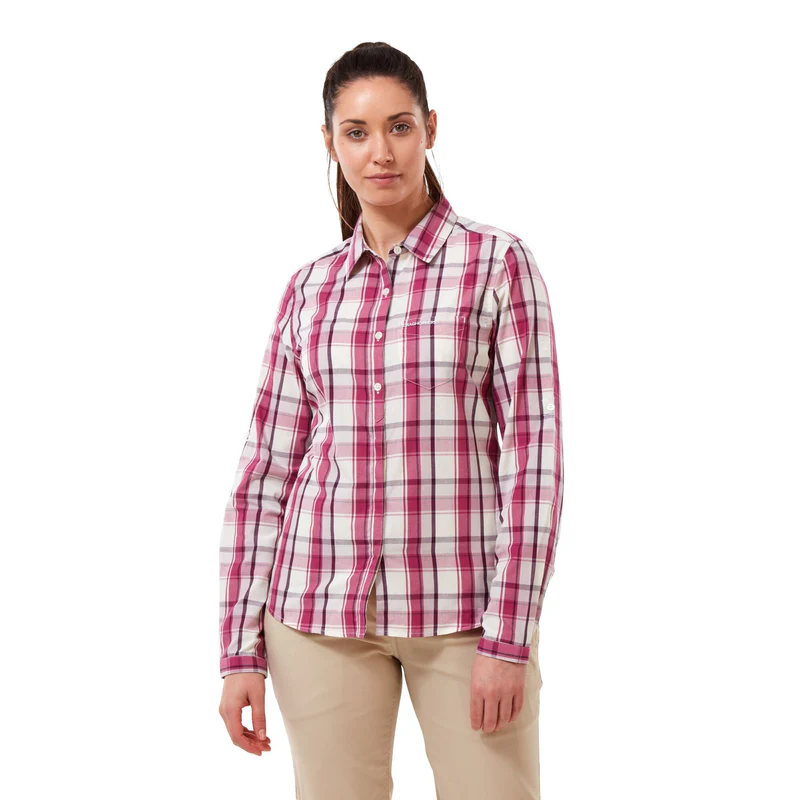
What does all this mean? A loose-fitting shirt that breathes well, made of polyester with the right weave and reinforcement at the shoulders and collar where it is against the skin, rather than the rest of the garment, makes a great shirt. Almost like those people out in the sun all day knew something ???? 😉
Sources: Skin Cancer Foundation; the International Journal of Dermatology paper on UV transmission through clothing fabrics; and the Stack Exchange discussion summarizing the research.
I should note that Joan, of northern European background and the light hair/blue eyes associated with it, quickly turns red in the sun. She takes skin care *very* seriously and would not use something unless it works.
When we wear the Western snap, polycotton (65/35) shirts, neither has darkened or turned red underneath the clothing. It works!
I have been wearing thrift shop hiking shirts for years. Yes,actual hiking shirts, they aren’t all that hard to find around here as the local fishermen buy lots of L/S Columbia shirts, wear them a few times and discard them.
Cool. Send some our way! 🙂
I prefer 100% poly shirts over poly/cotton but thrift store finds are a matter of time and location, IE you need to go often and what you find depends on what is popular in your area. Wool in pants or shirts is hard to find because the market for them is almost nil. Around here, there is no such thing as a skirt looking “thrift”, in urban areas things get tossed even before the first sign of wear shows. So 95% of what I see at thrift stores looks brand new. In this regard, I find Value Village better than… Read more »
[…] September wrap-up of his Northern New Mexico Loop trip Paul “PMags” Magnanti mentioned his love for cotton-polyester blend thrift store hiking shirts, particularly western-style snap-button shirts. Having been raised in a “cotton kills” […]